Supporting the rural Amazonian community for over 33 years
Promoting conservation in the Peruvian Amazon through our Adopt-A-School program, installing clean water systems, and sustainable development projects
Conservación de la Naturaleza Amazónica del Perú, A.C.
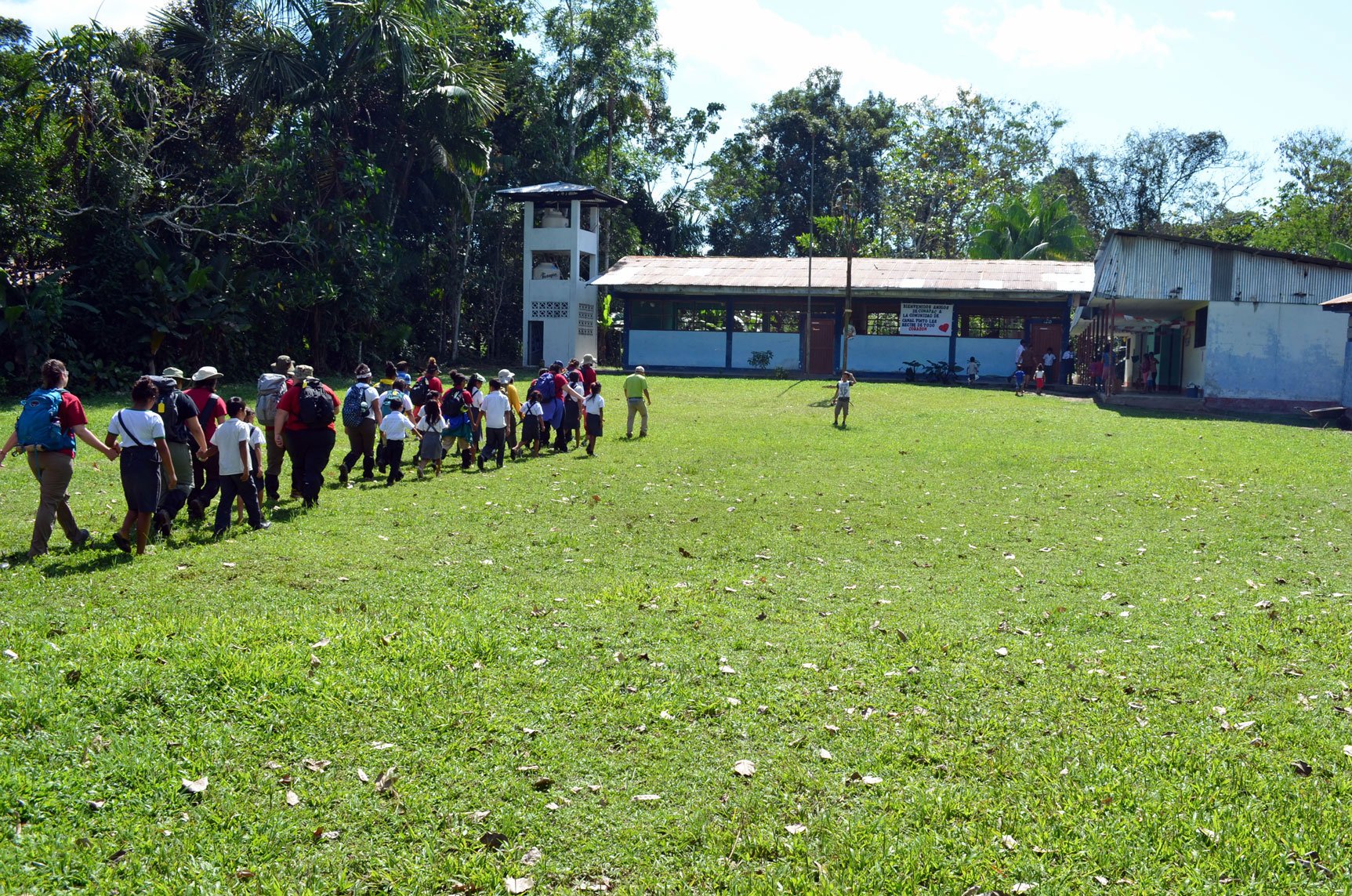
We are a Peruvian non-profit organization whose mission is to promote the conservation of the rainforest through the education of its stewards, who are the people who live along the Amazon and Napo Rivers.
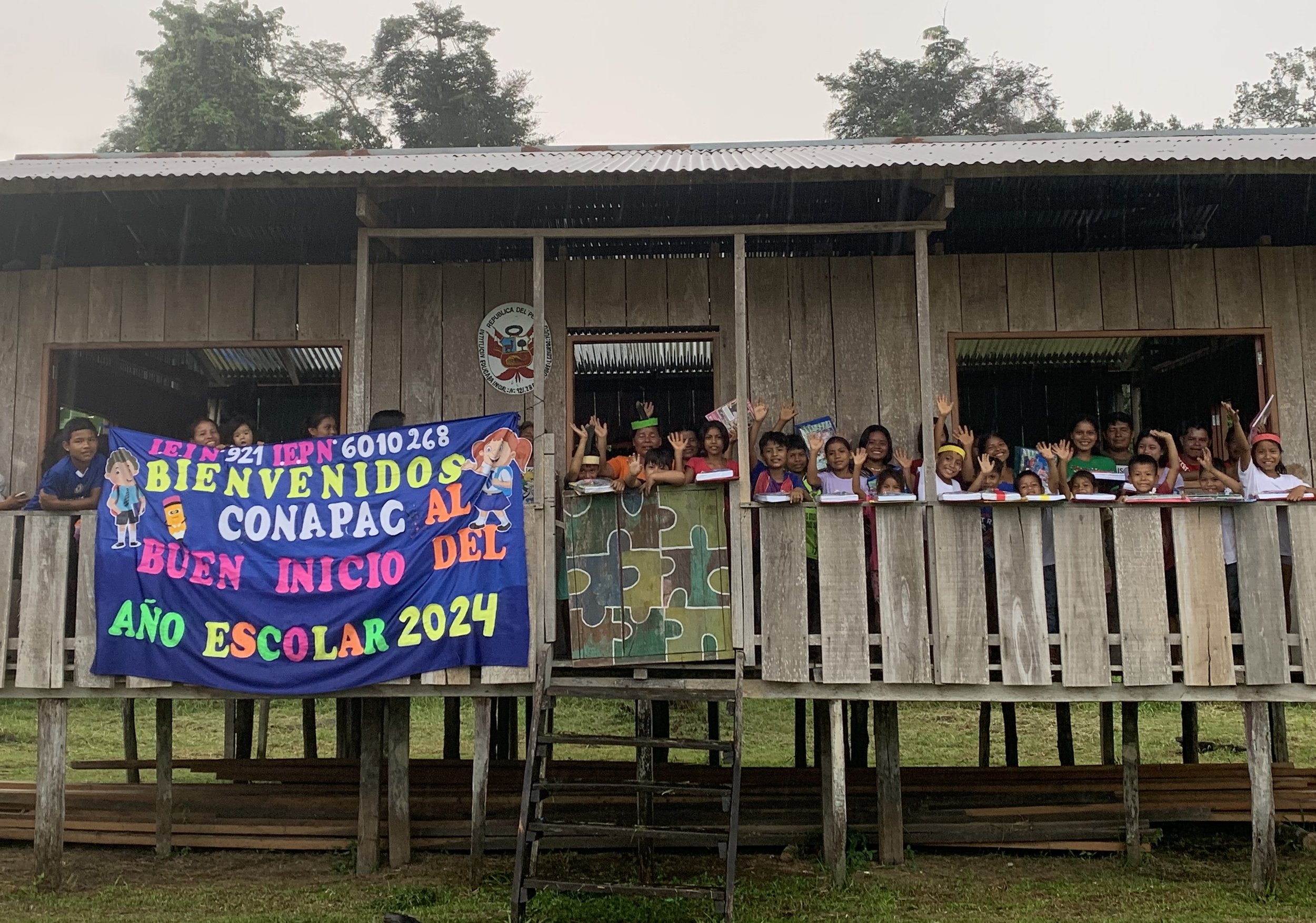
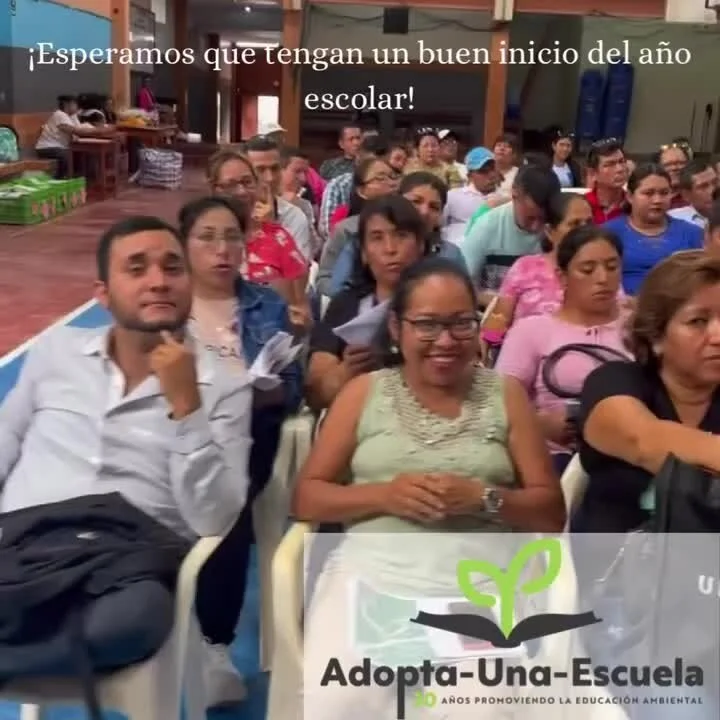
Our centerpiece project is the Adopt-A-School program, which is strengthened by workshops and complemented by service and sustainable projects in river communities.
What We Provide
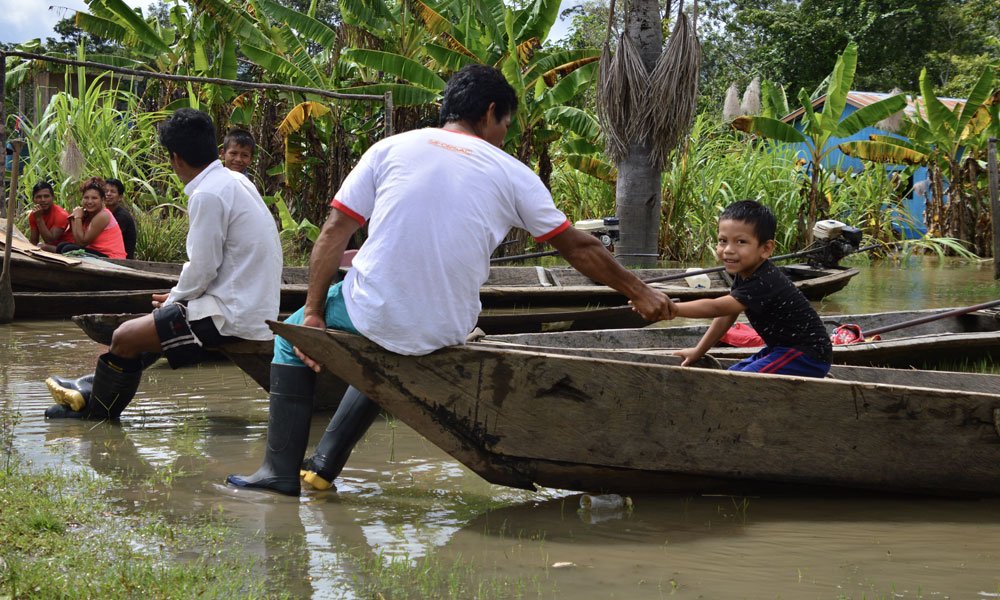
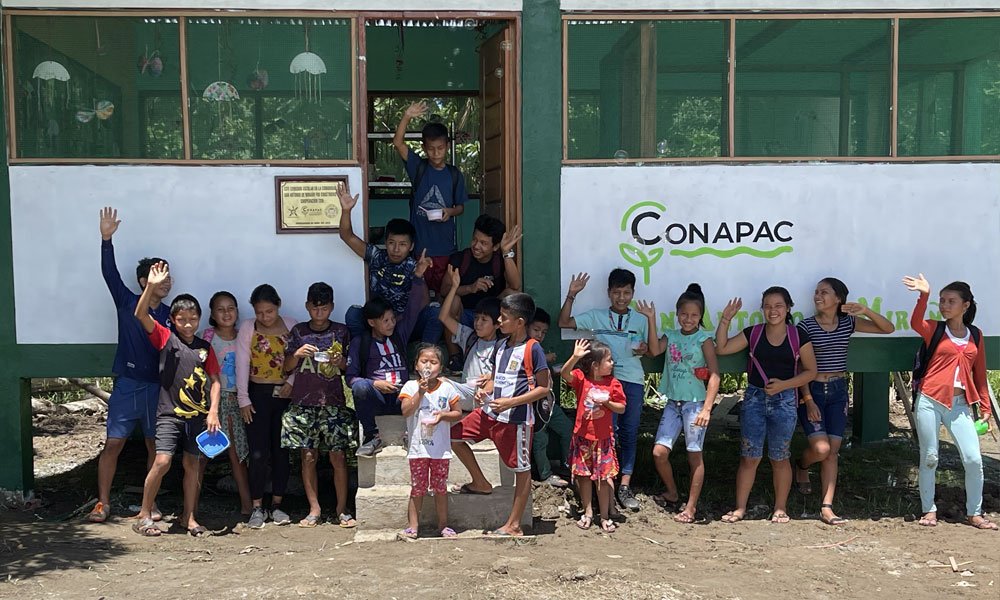
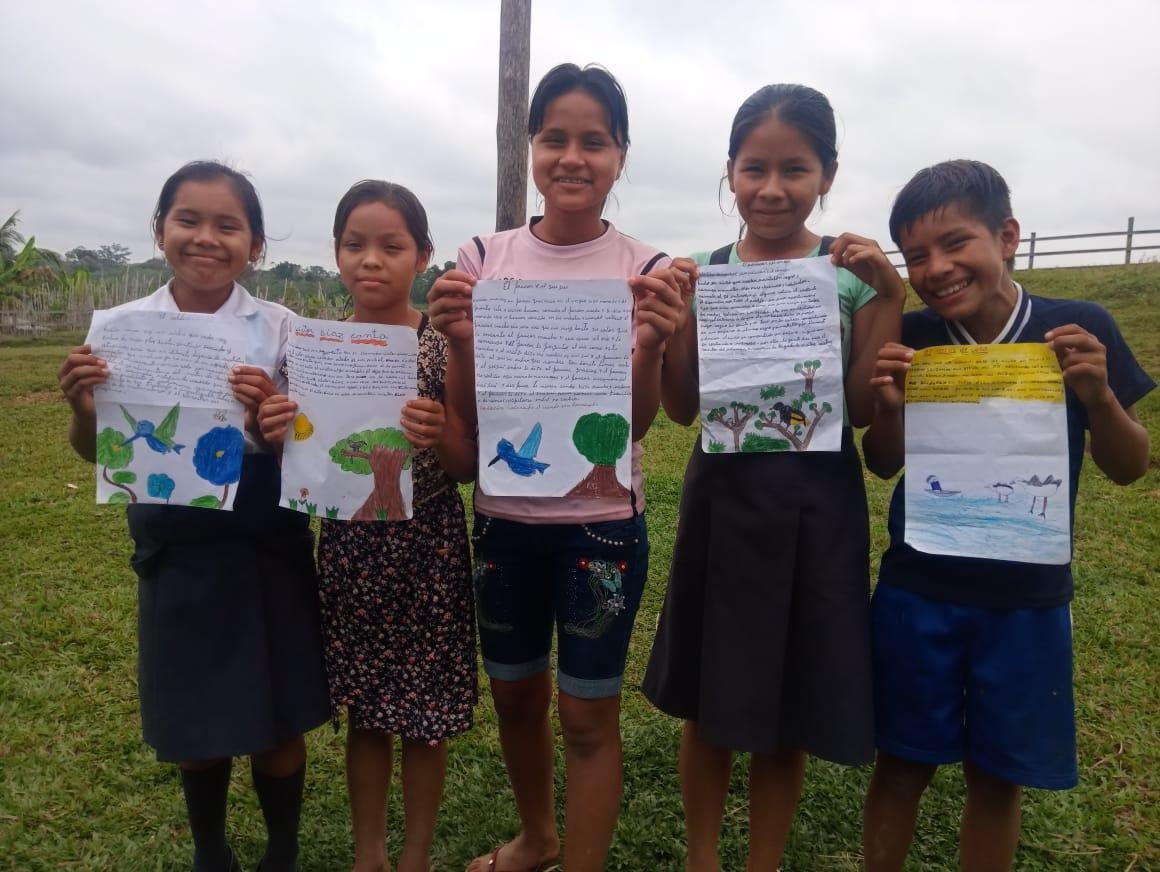
CONAPAC makes conservation agreements with rural communities in the Peruvian Amazon rainforest. We request that each community dedicates itself to the well-being of its environment and the development of its community. In return, we offer a variety of education and action-based programs to help both educators and communities thrive.
-

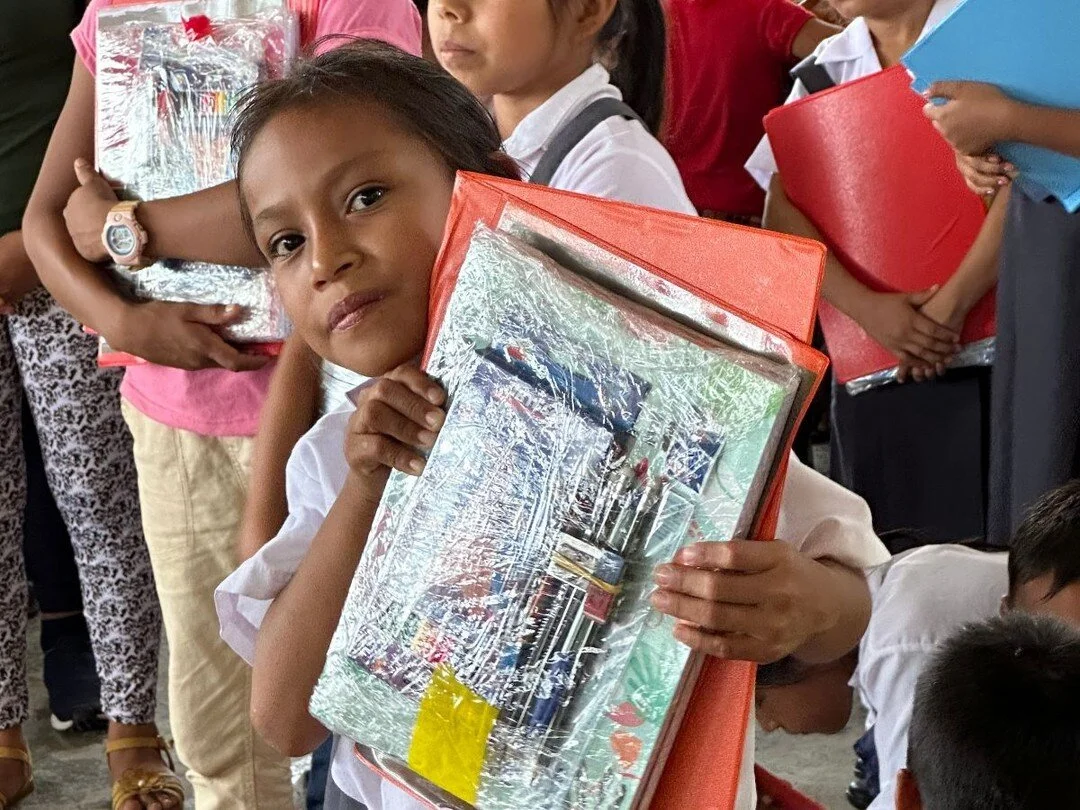
Adopt-A-School
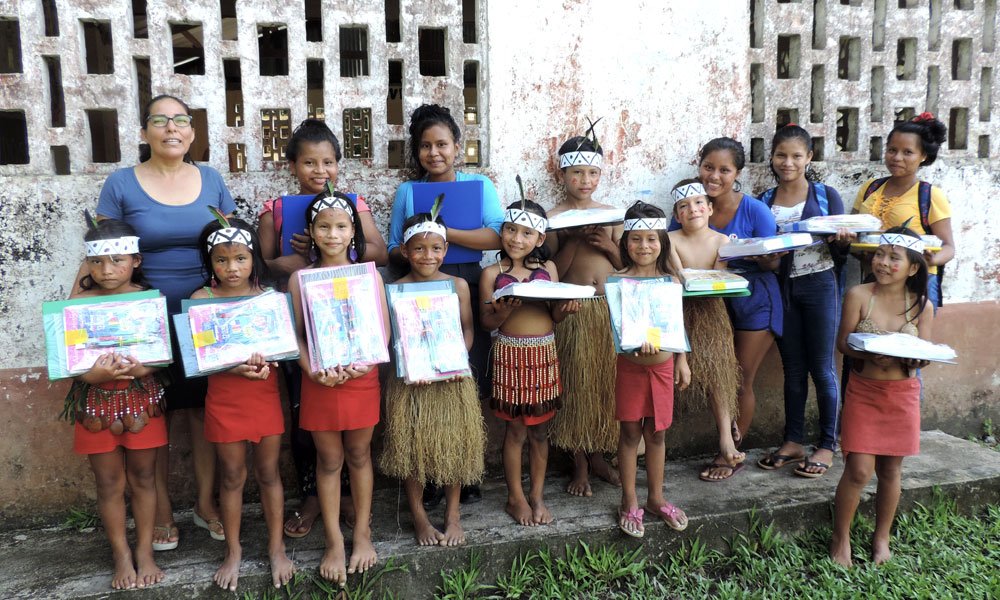
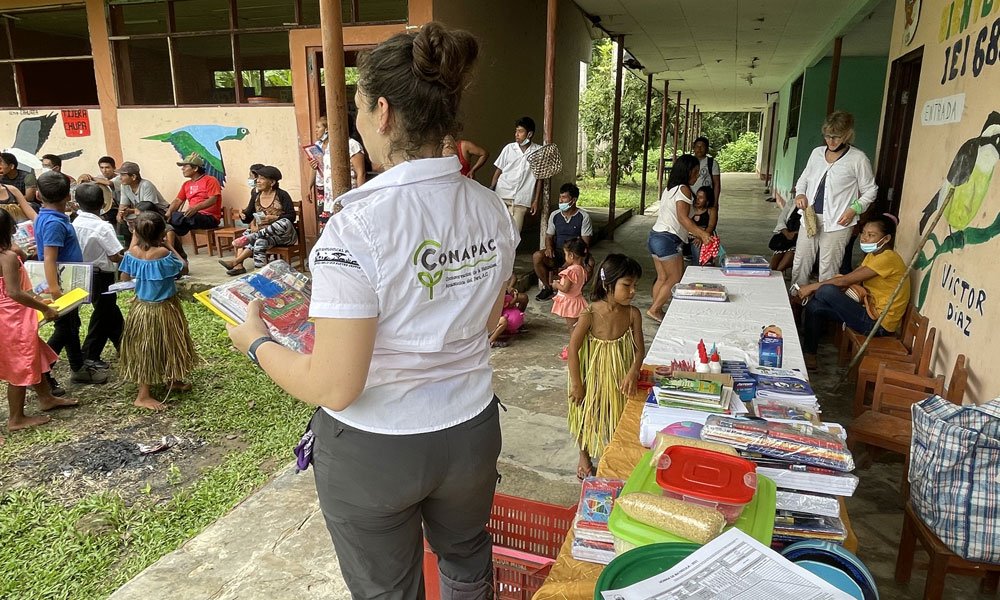
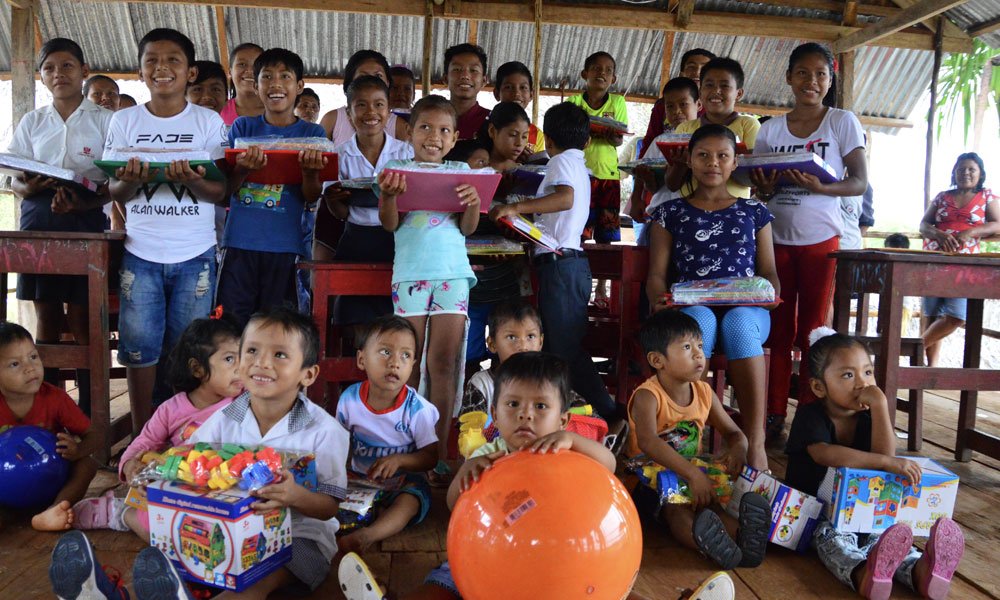
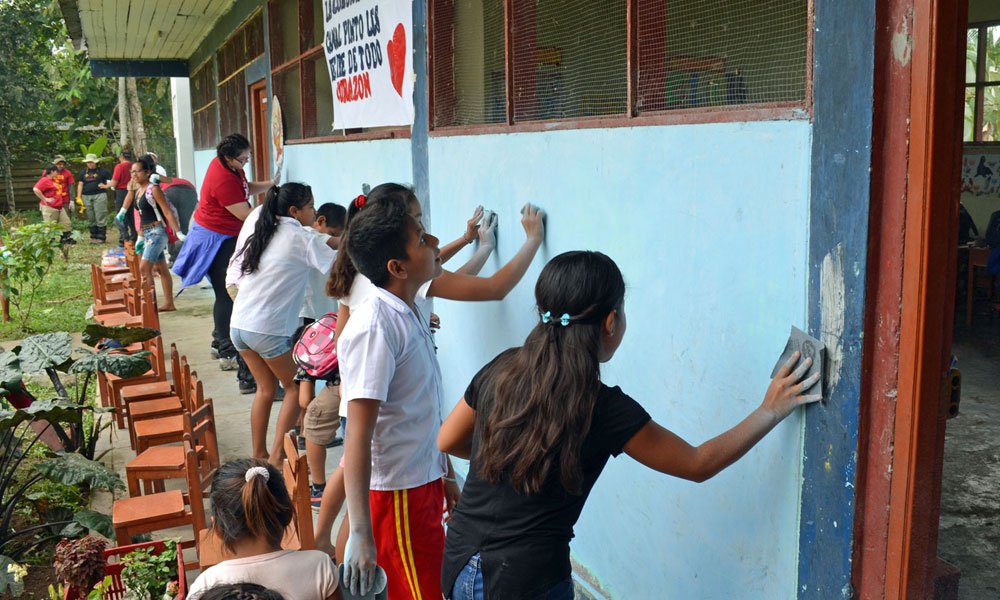
Turning generous donations into valuable school supplies for every student and teacher in our partner communities. Our flagship fundraiser since 1993.
-

Sustainable Development
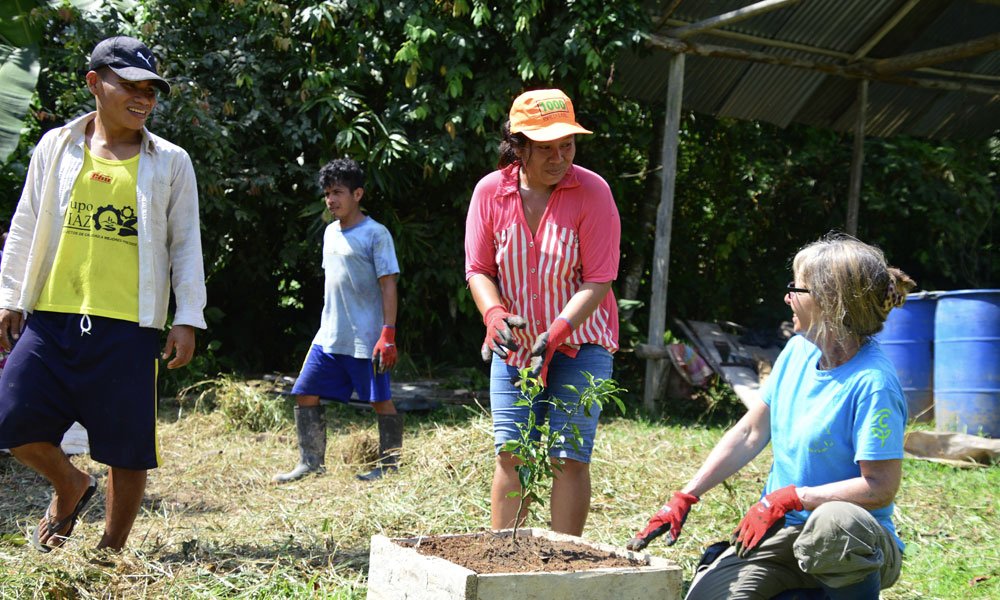
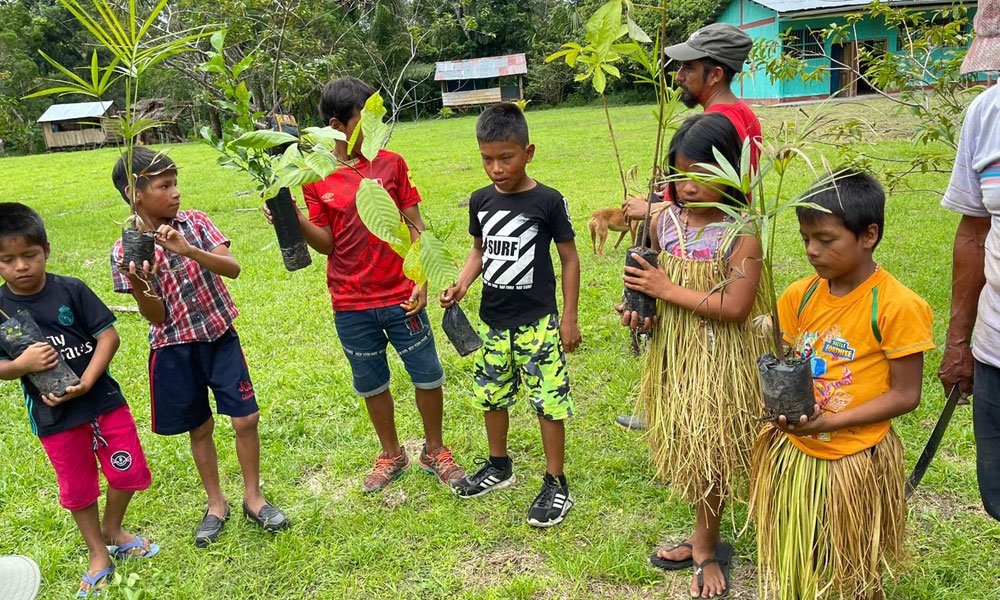
Partnering with other local non-profits and entities dedicated to environmental conservation and sustainable development through farming and agricultural initiatives.
-
Clean Water Systems
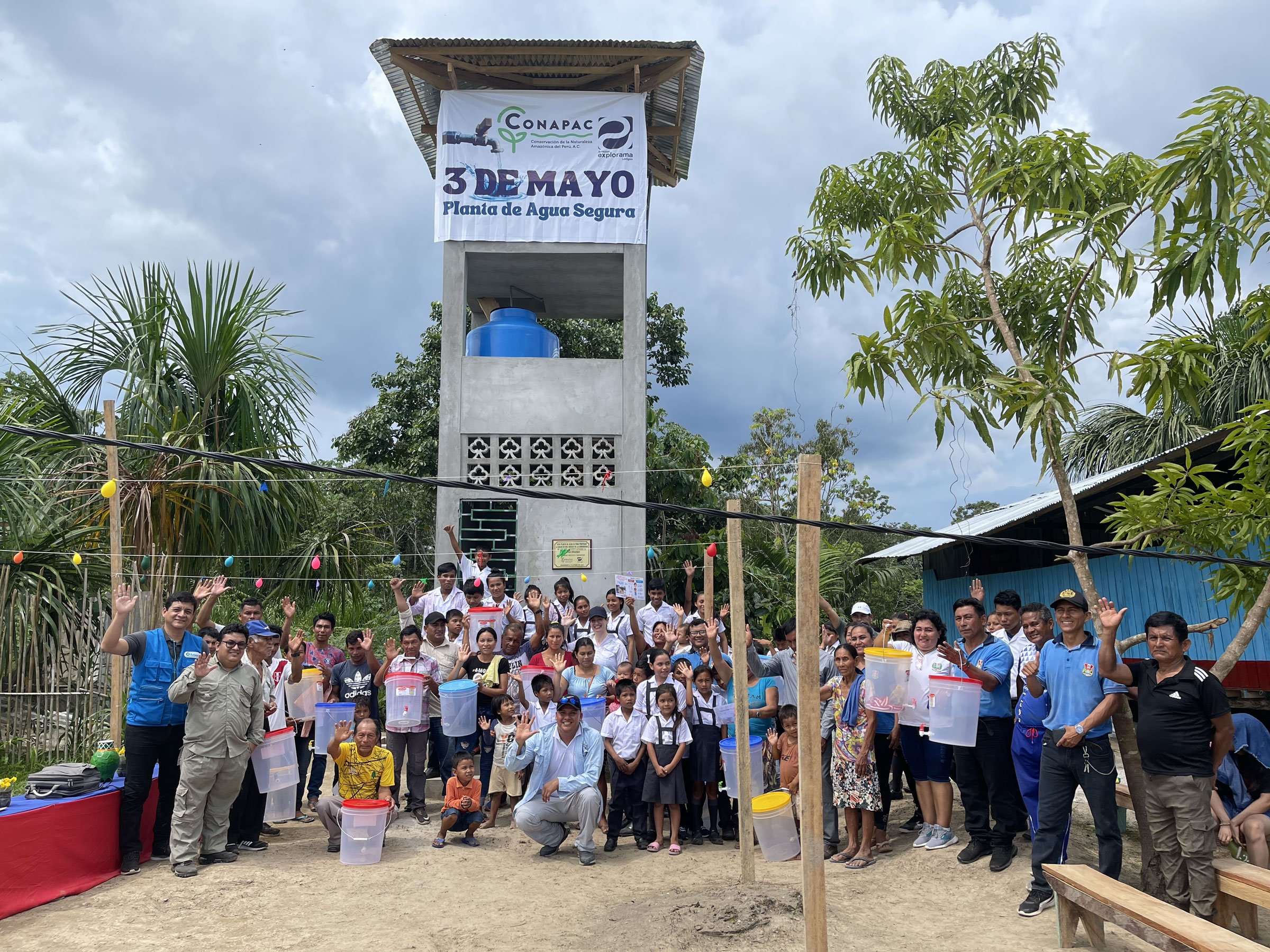
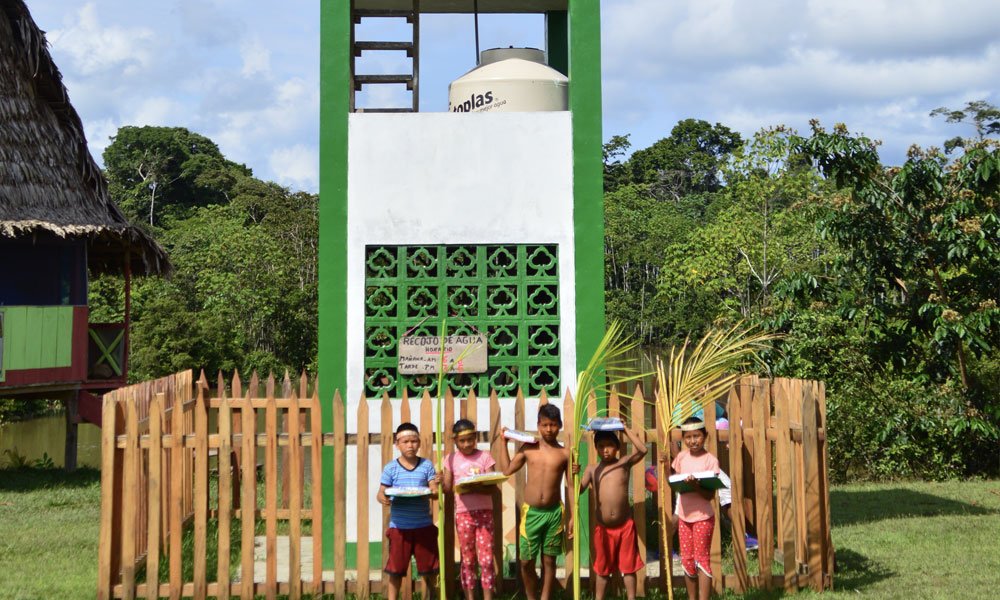
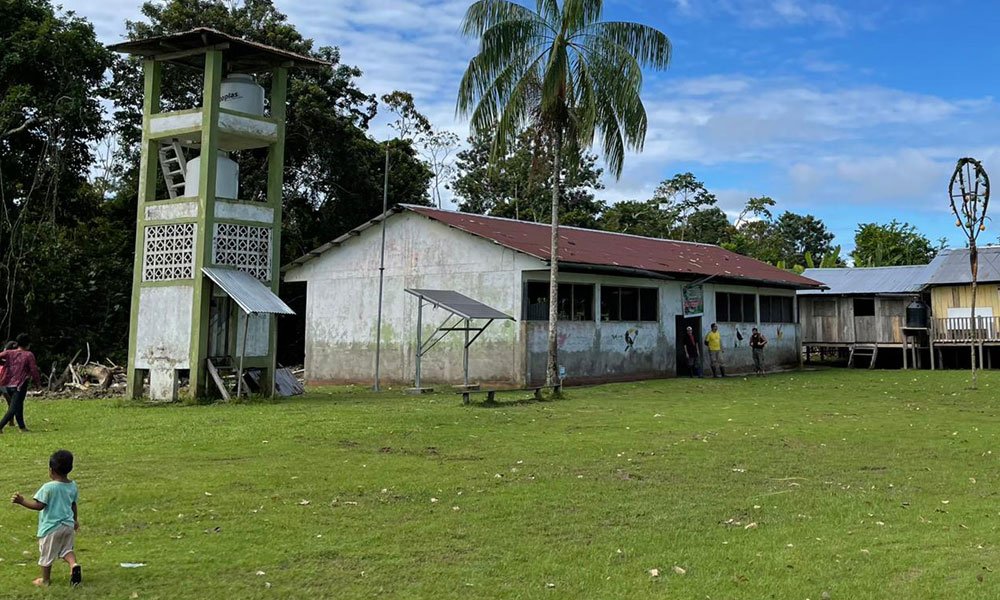
We have helped fund and build over 35 community water towers across rural Amazon Peru. These towers provide clean water through our simple filtration systems.
Who We Are
Meet the dedicated folks behind CONAPAC that create such an impact, from our full-time staff to our board of directors.


Want to play a role in helping save the Amazon rainforest and further CONAPAC’s mission? That’s incredible!
Click the button below to learn about different ways you can become involved today.
Looking to Get Involved?

New On The Blog
Join us on Instagram @conapacperu



Our Partners
CONAPAC would not exist or have the impact it does today without the commitment, contributions, and dedication of our trusted partners.