find us on facebook


Our Communities


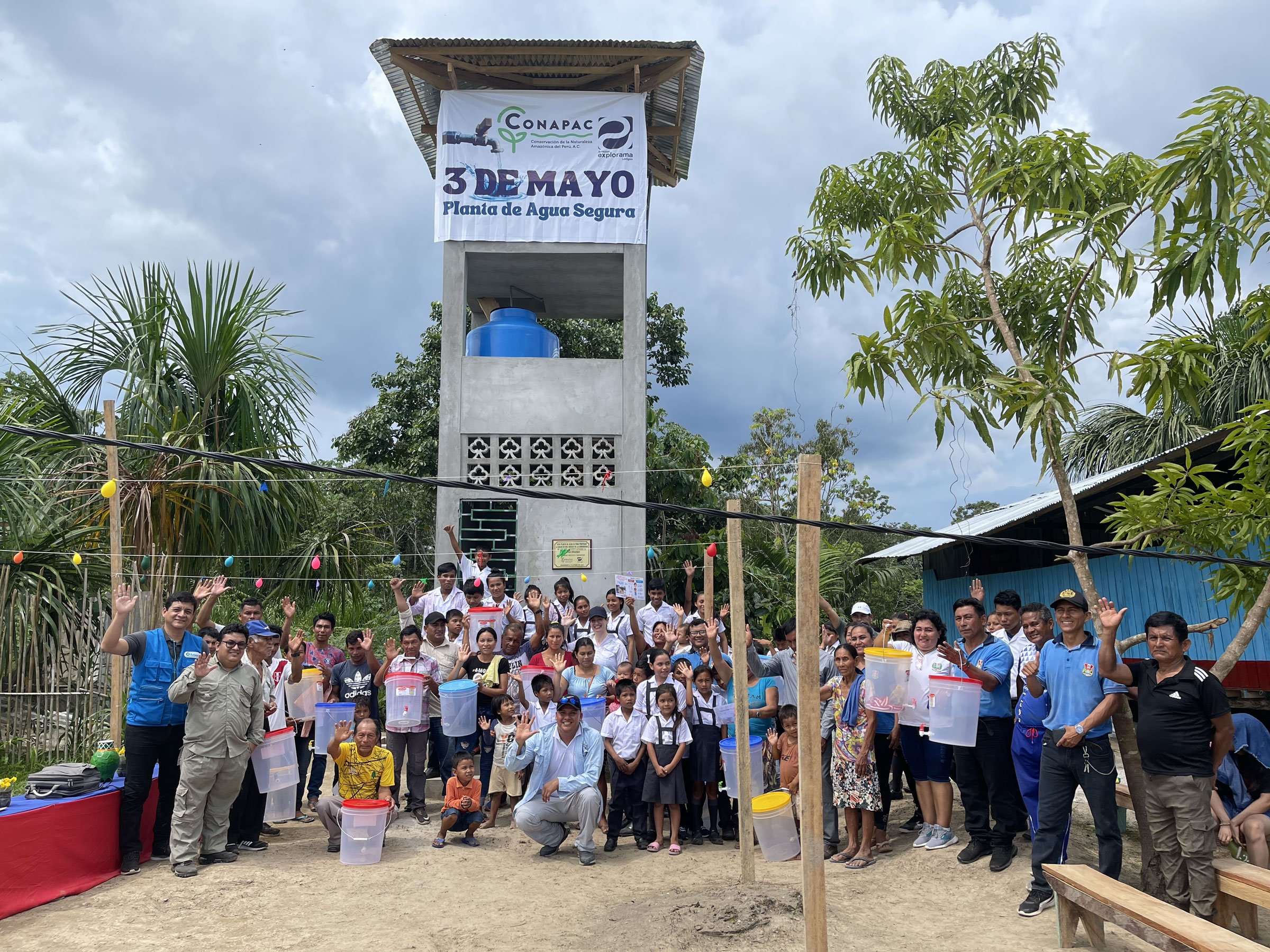
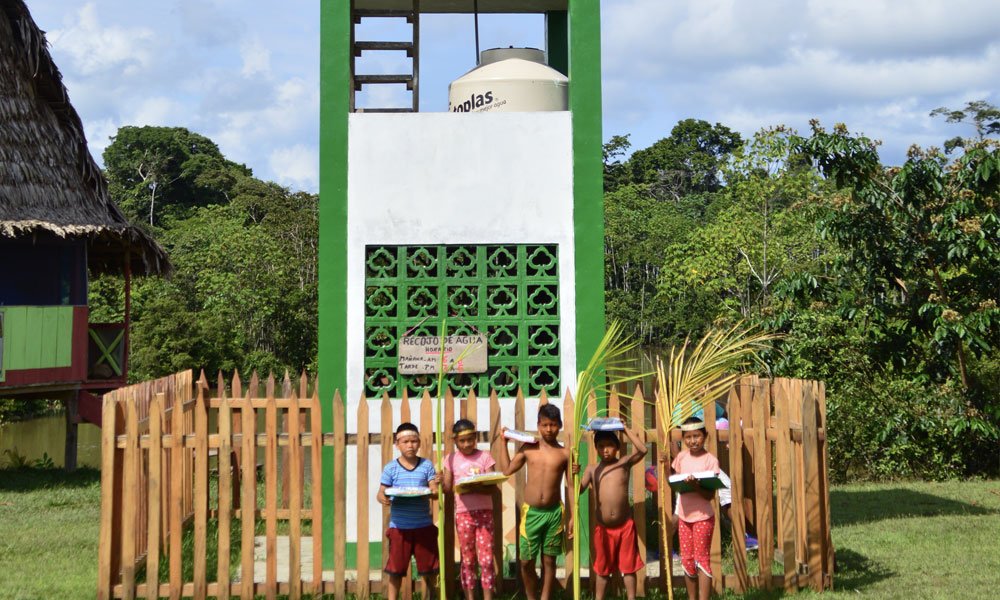
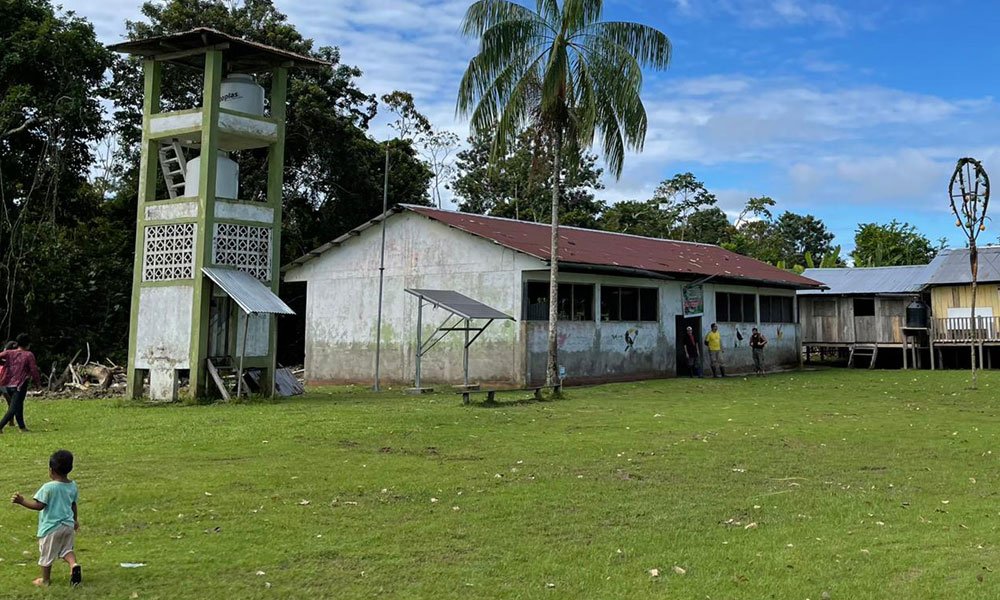
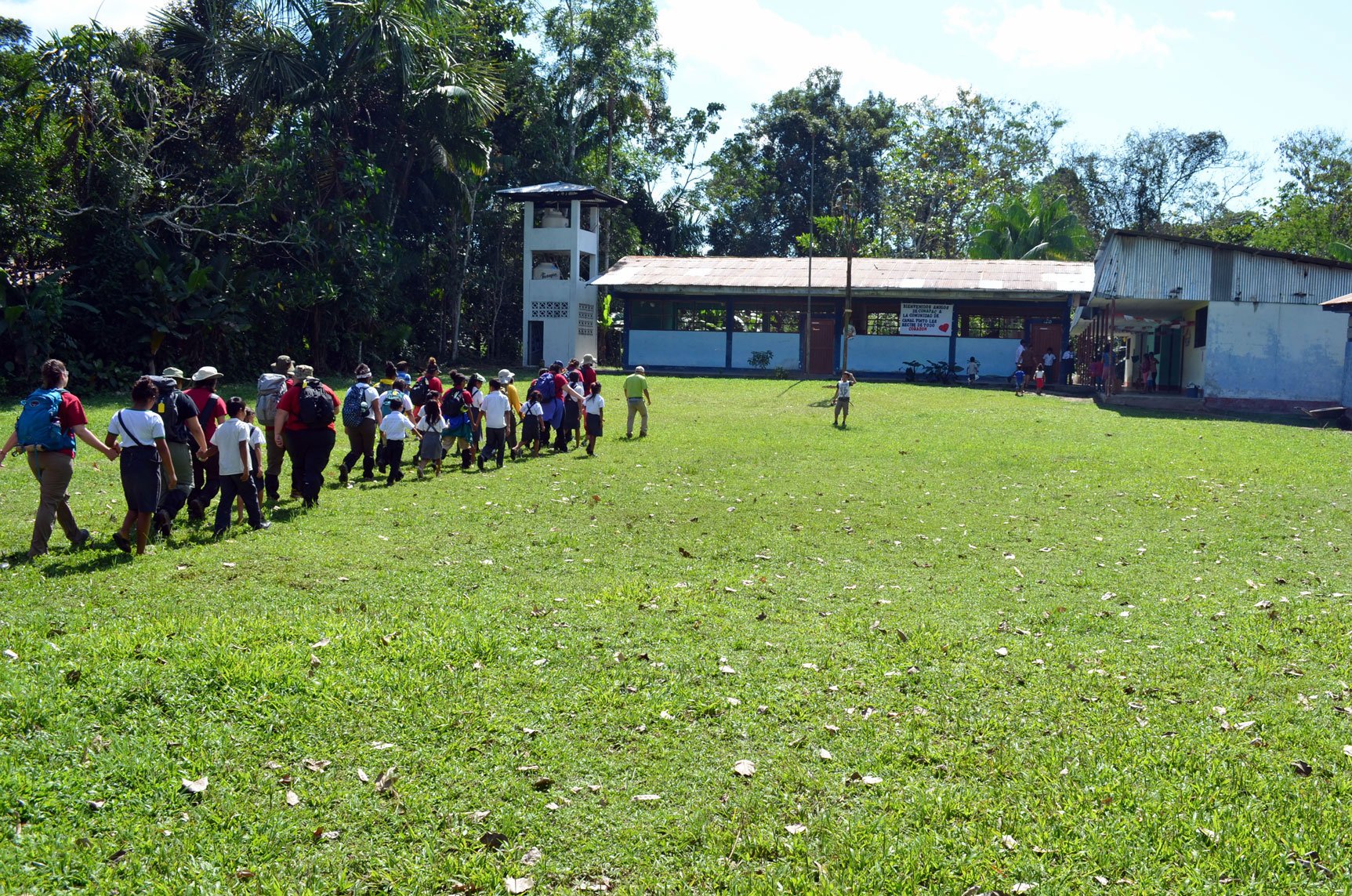
Peeking in at a new water treatment plant

Who we are

CONAPAC Who we are navigation bar CONAPAC Staff CONAPAC Partners CONAPAC Donors CONAPAC Volunteers

Our Communities


San Pedro de Mangua is located on the Napo River. There are 63 families, with a total population of 280. They have a primary school with 66 students, a high school with 30 students, and kindergarten with 24 children. There are eight teachers. They have been in the AAS program since 2005. Improvements to this community include a camu camu farm and a community water treatment plant.


San Pedro de Manatí is on an island in the Amazon River. There are 40 families, with a total population count of 200. There is a primary school with 65 students, a high school with 69 students, and a kindergarten with 22 children. There are ten teachers. They have participated in the AAS program since 1994.


Santa Isabel is located on the Amazon River. There are 32 families, with a total population of 143. There is a primary school with 39 students and two teachers. They also have a kindergarten with 12 children and one teacher. They have participated in the AAS program since 1999.


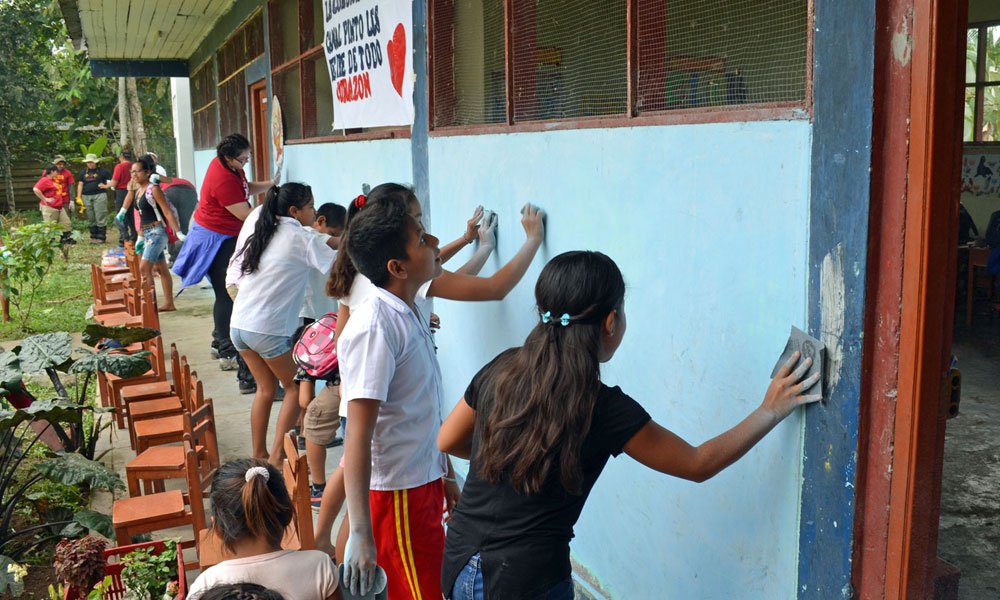
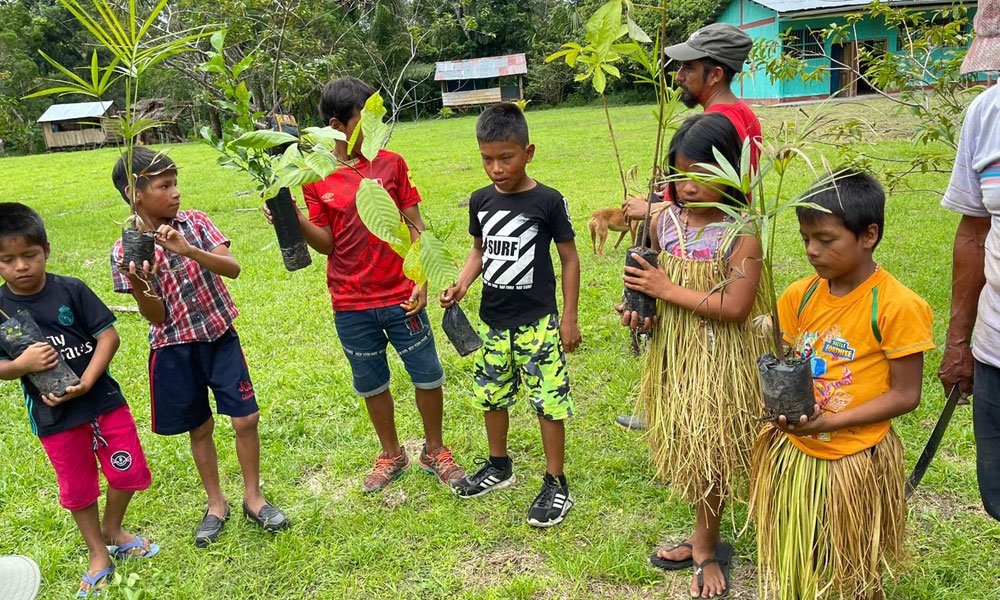
Santa Lucia is located on the Napo River. There are 26 families, with a total population of 119. There is a primary school with 26 students and one teacher. They have participated in the AAS program since 1997. Improvements to this community include latrines, reforestation, fresh paint, and a community maloka (gazebo).


Santa Marta is located on an island in the Amazon River at the mouth of the Napo. There are 25 families, with a total population of 113. There is a primary school with 25 students and one teacher. They have participated in the AAS program since 1994. Improvements to this community include a playground, reforestation, fresh paint, a community maloka (gazebo), and a community water treatment plant.


Santa Rosa-Amazonas is located on the Amazon River. There are 57 families, with a total population count of 207. There is primary school with 48 students, a high school with 112 students, and a kindergarten with 14 children. There are 11 teachers. They have participated in the AAS program since 1997. Improvements to this community include a farm to raise agoutis, a type of rainforest animal, for consumption.


Santa Victoria is located on the Amazon River. There are 39 families, with a total population count of 198. There is primary school with 43 students and three teachers. They also have a kindergarten with 31 students and one teacher. They have participated in the AAS program since 2008. Improvements to this community are the building of latrines and a community water treatment plant.


Sapo Playa is located on the Amazon River. There are 42 families, with a total population of 189. There is a primary school with 46 students, a high school with 27 students, and a kindergarten with 24 children. There are eight teachers. They have participated in the AAS program since 1994. Improvements to this community include a playground, reforestation, fresh paint, a camu camu (a rainforest fruit high in vitamin C) farm, and a community maloka (gazebo).


Sucusari is located on the Sucusari River, a tributary of the Napo. There are 25 families, with a total population count of 126. There is a primary school with 31 students and two teachers. They have participated in the AAS program since 1994. Improvements to this community include a playground, reforestation, fresh paint, a maloka (gazebo), and a community center.


Suni Caño is located on the Amazon River. There are 27 families, with a total population of 131. There is a primary school with 31 students and one teacher. They have participated in the AAS program since 2002. An improvement to this community includes a camu camu (a rainforest fruit high in vitamin C) farm.


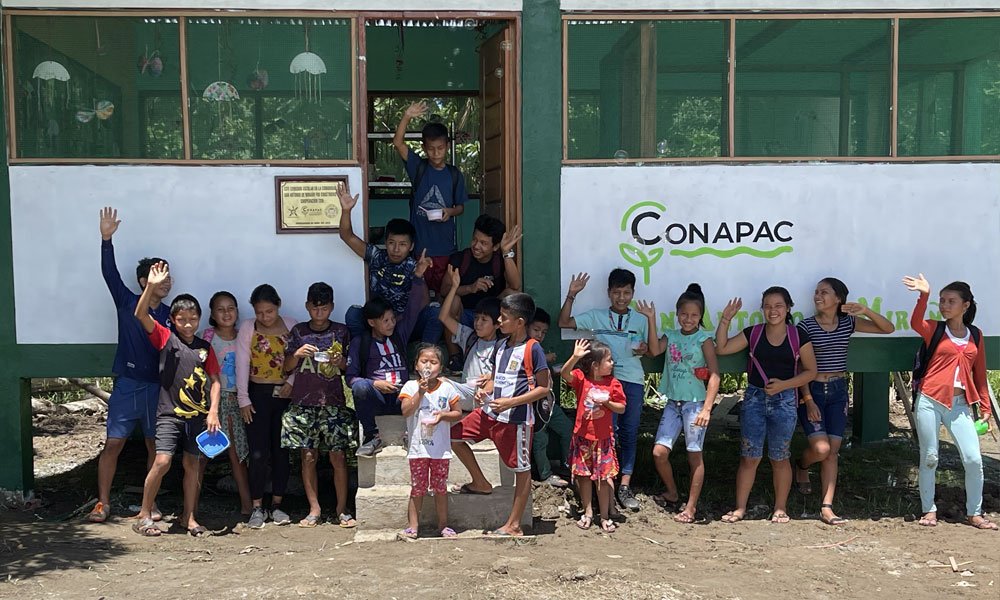
Contact Us CONAPAC is a Peruvian non-profit organization whose mission is to promote conservation of the rainforest through education of its stewards, the people who live along the Amazon and Napo Rivers. Our centerpiece project is the Adopt-A-School program, which is strengthened by workshops and complemented by service and sustainable projects in river communities.